
A Natural Disaster Amidst Political Instability
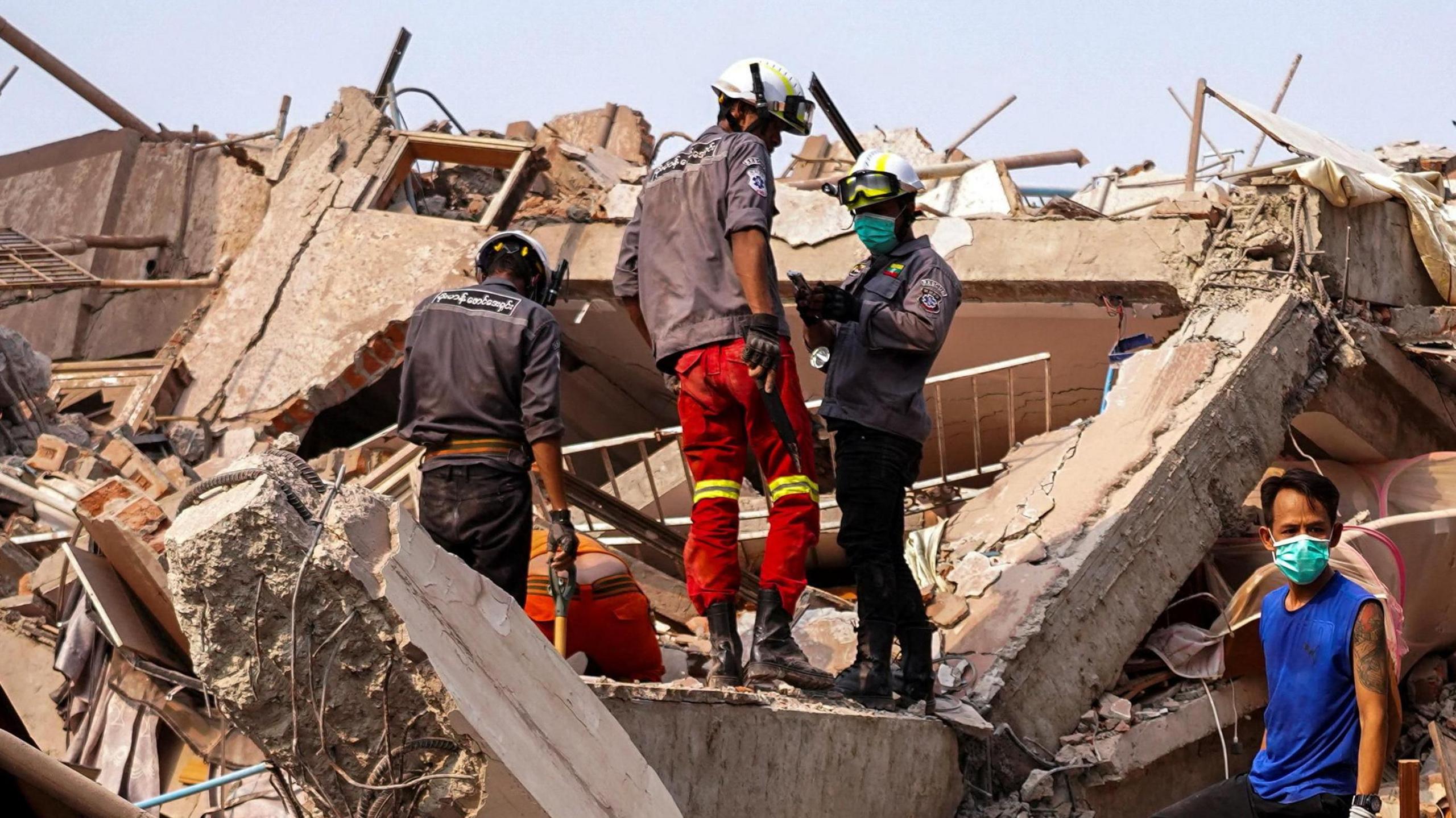
On March 28, 2025, a powerful 7.7 magnitude earthquake struck Myanmar, causing widespread destruction, particularly in Mandalay and Sagaing regions, epicenter of the earthquake. The disaster resulted in over 3,600 deaths, 4,800 injuries, and left 184 people missing, affecting around nine million individuals across 58 townships. However, this tragedy unfolded amidst the ongoing civil conflict that began with the 2021 military coup. The military’s crackdown on opposition forces and ethnic minorities, combined with the rise of armed resistance groups, disrupted the country’s stability. As a result, the earthquake’s impact was worsened by the political crisis, complicating relief efforts and jeopardizing the safety of affected communities.
The Chinese Red Cross Convoy Incident and Attacks on Humanitarian Sites
Delivering aid to conflict zones in Myanmar proved challenging. One incident involved Myanmar’s military firing warning shots at a Chinese Red Cross convoy attempting to deliver humanitarian supplies in Northern Shan State. The military claimed the convoy entered an active conflict zone without prior coordination. Although Chinese authorities confirmed the safety of their personnel and supplies, the incident highlighted the risks faced by humanitarian workers. The rural Sagaing region, severely impacted by the earthquake and controlled by armed resistance groups, particularly the People’s Defence Force (PDF), remained especially difficult for aid delivery. On April 21, 2025, a mobile medical team treating earthquake victims in Aidaing village, Sagaing Township, was targeted by a military airstrike on the monastery housing the clinic. Six people, including two monks, were injured, though the medical team remained unharmed. Despite a declared ceasefire, at least 20 airstrikes occurred during this period, killing about 60 civilians. These incidents demonstrate the challenges for aid workers and raise concerns about protecting civilians and medical teams, which is required under international humanitarian law.
Ceasefire Announcements and Continued Restrictions on Aid
Despite announcing a temporary ceasefire to facilitate relief, Myanmar’s military continued operations in earthquake-affected areas. According to data from the Armed Conflict Location and Event Data Project (ACLED), 172 conflict incidents occurred during the ceasefire period, 73 of which took place in regions hit by the quake. In addition to ongoing security operations, heavy restrictions were placed on humanitarian access. Aid convoys faced checkpoints, bureaucratic delays, and, in some cases, confiscation of supplies. Relief efforts were also hampered by internet blackouts and damaged transportation routes, isolating many of the most vulnerable communities. Furthermore, the military imposed harsh restrictions on the movement of relief workers, exacerbating delays in aid delivery.
Consequences for Communities: Gaps in Relief and Rising Health Risks
The obstruction of humanitarian assistance had a direct and severe impact on communities. Many quake survivors lacked access to emergency shelter, clean water, food, and medical care. Hospitals in central and northwestern Myanmar were overwhelmed, struggling with shortages of essential supplies as they treated thousands of injured patients. Monsoon rains worsened conditions, exposing displaced populations to flooding, unsanitary living conditions, and heightened disease risks. Outbreaks of illnesses, including acute watery diarrhea, were reported in regions such as Sagaing and Mandalay, compounding the public health emergency. In some areas, local communities and armed resistance groups took on the burden of providing relief, but their efforts were often inadequate due to limited resources and the danger posed by ongoing military actions.
Global Aid Efforts and Barriers to Delivery
International aid efforts were swiftly mobilized following the earthquake, with the United Nations allocating $12 million for food, water, shelter, and mental health support. Countries like Australia pledged further assistance through vetted organizations to ensure impartial aid delivery. Humanitarian groups such as Médecins Sans Frontières (MSF) and the International Committee of the Red Cross (ICRC) continued operations despite significant risks. However, access challenges persisted due to ongoing military operations in affected areas. Human rights organizations, including Human Rights Watch, called for unrestricted humanitarian access, highlighting the importance of neutrality in disaster response. The military’s actions remained a major barrier to effective aid distribution.
The Urgency of Ensuring Unhindered Humanitarian Access
The situation in Myanmar underscores the critical need for safeguarding humanitarian operations during large-scale disasters. Military obstruction, attacks on aid convoys, and violence against medical teams complicate the delivery of lifesaving assistance and worsen the impact of both the earthquake and ongoing conflict. Neutral, unhindered access is essential for effective relief efforts. International stakeholders continue to push for the protection of aid workers and prioritize humanitarian needs over political and military agendas. Without impartial disaster relief, the human toll will rise. A collective global response is crucial to overcoming challenges and delivering aid to those in need, while Myanmar’s authorities must recognize that obstructing relief operations only prolongs the suffering and isolates the country from international support.
Sources
Comments are closed